Rising Indie Band Profiles To Watch
The music world is shifting faster than ever, and what used to be hidden in small venues is now shaping global listening habits. Audiences are no longer just consuming songs, they’re actively searching for meaning, identity, and connection through sound. This is where the modern indie movement quietly takes center stage, pulling attention away from polished mainstream formulas and toward something far more raw and emotionally real.
In this evolving landscape, rising indie band profiles are becoming the heartbeat of global entertainment discovery. These artists are not waiting for permission from traditional industry gatekeepers; instead, they are building their own ecosystems through streaming platforms, social media, and direct fan engagement. Music critic Daniel R. Whitmore once noted, “Indie music doesn’t rise because it follows trends, it rises because it creates emotional truth people didn’t know they needed.” Alongside this wave, upcoming indie bands are gaining traction as listeners actively hunt for fresh, unfiltered sounds that feel personal rather than manufactured. The shift is clear: discovery is no longer top-down, but community-driven and algorithm-enhanced, shaping a new era of global music exploration.
The Growth of Indie Music Scene
The indie scene is no longer a quiet corner of the industry, it’s a rapidly expanding universe where creativity thrives without boundaries. What once started as DIY recordings and underground gigs has now become a global cultural movement driven by accessibility and digital freedom.
Modern listeners are increasingly drawn to authenticity, and that is exactly why LSI Keywords like indie rock revival, bedroom pop movement, alternative sound culture, and digital music discovery trends are shaping how audiences explore new music. Indie is not just a genre anymore; it is a language of expression.
Evolution of indie music culture
Indie culture has transformed from cassette trading and local gigs into a hyper-connected digital ecosystem. Today, artists experiment freely with sound design, blending genres that once never crossed paths. As music producer Helena Cruz explains, “Indie artists are no longer defined by limitations, they are defined by experimentation.”
Why indie bands are gaining popularity
The rise of rising indie band profiles is deeply connected to emotional resonance. Listeners want music that feels imperfect, honest, and human. In a world saturated with algorithmic pop production, indie offers a refreshing contrast that feels alive rather than engineered.
Role of digital platforms in discovery
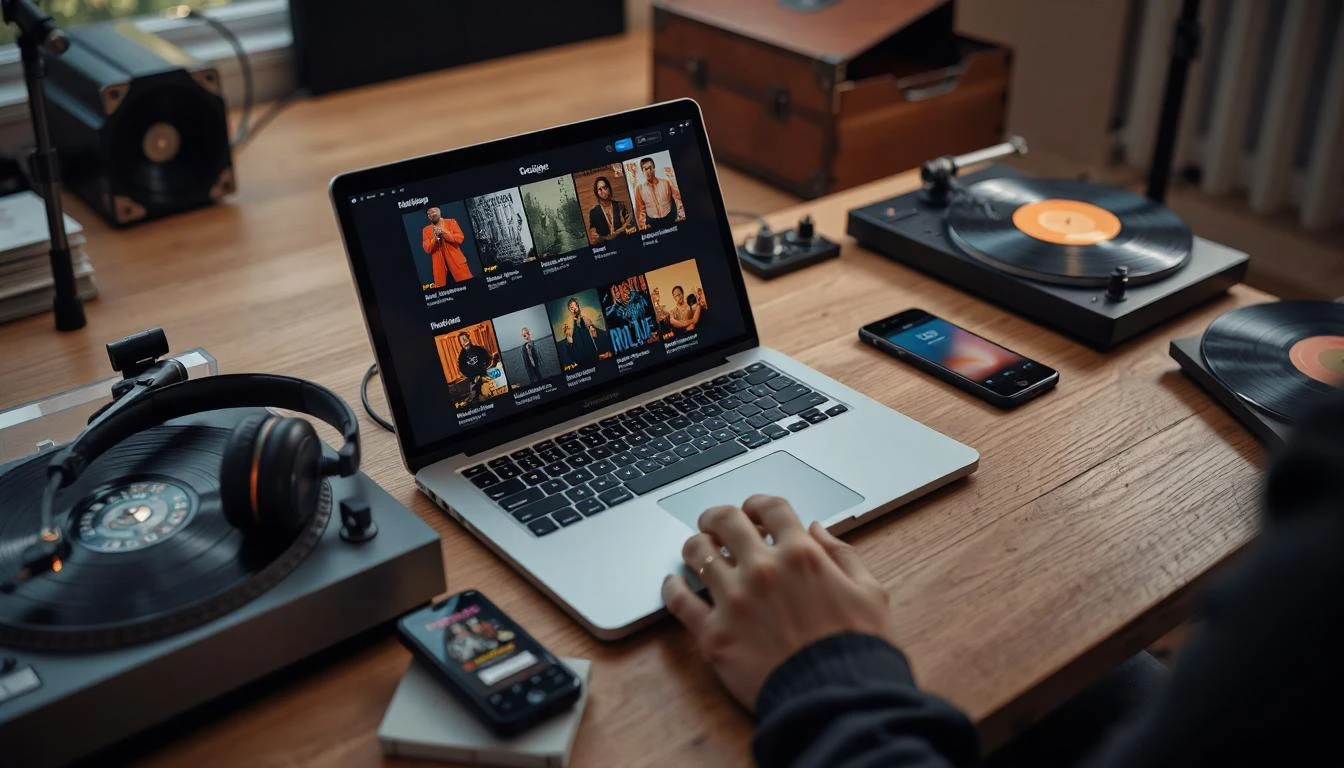
Platforms like Spotify, TikTok, and YouTube have completely reshaped how music spreads. Viral snippets and curated playlists now serve as launchpads for unknown artists. Long-tail search behaviors such as “how to find hidden indie music gems online” and “best indie playlists for discovering new bands 2026” show how active listeners have become in shaping discovery culture.
Promising Indie Bands Emerging Today
The next wave of music innovation is already unfolding quietly across continents. These artists are not just producing songs, they are building emotional worlds that listeners can step into, relate to, and share.
What makes this movement even more compelling is how unpredictable it feels. Every week, new names emerge from bedroom studios and small venues, slowly entering global conversations.
New bands with unique sounds
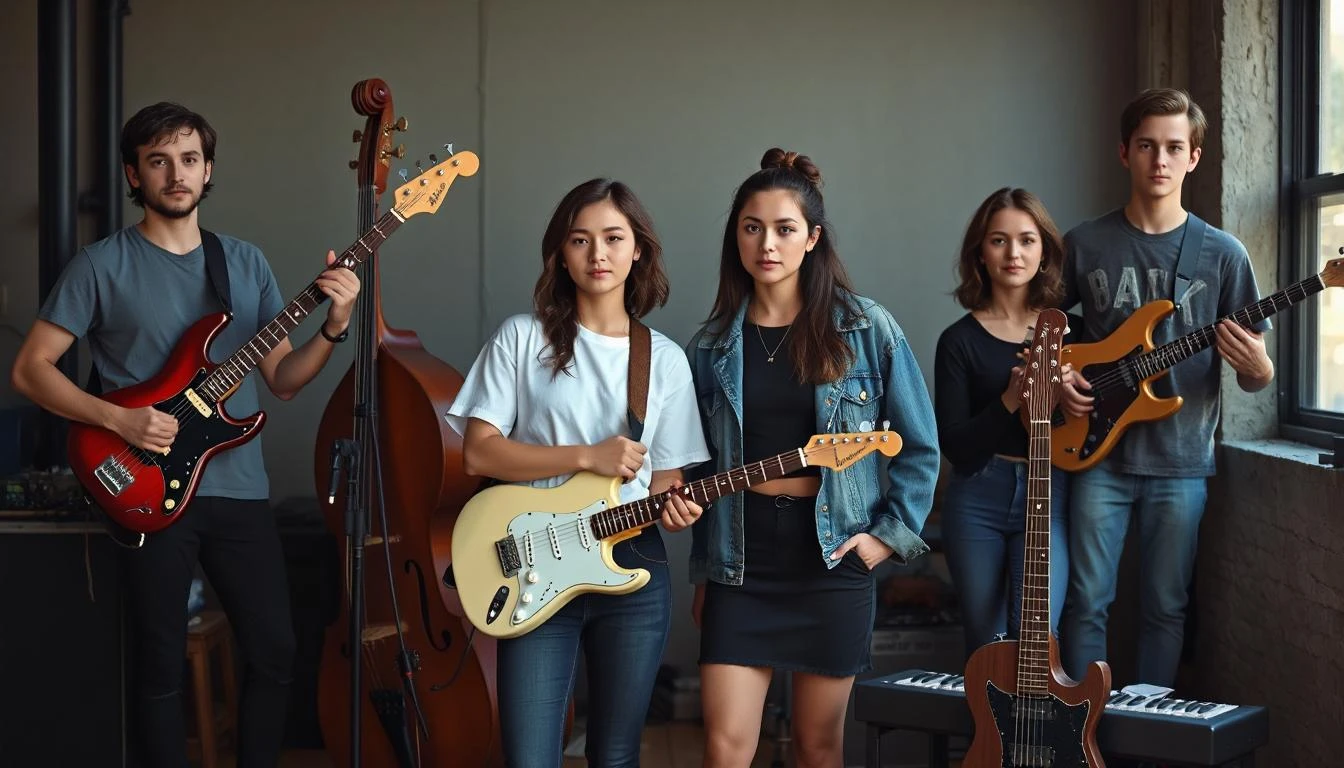
Many rising indie band profiles today are blending lo-fi textures, ambient soundscapes, and experimental pop structures. This sonic diversity creates a listening experience that feels both unfamiliar and deeply personal at the same time.
Genre diversity in indie music
Indie music is no longer confined to one identity. It stretches across indie folk storytelling, electro-indie fusion, dream pop aesthetics, and alternative rock revival. This diversity allows listeners to find emotional resonance in unexpected places.
Underground bands gaining attention
Underground scenes are becoming powerful launchpads for global recognition. As digital communities grow, upcoming indie bands are gaining loyal audiences before even signing with labels. Music researcher Alan Pierce once said, “The underground is no longer hidden, it is simply waiting to be discovered.”
What Makes an Indie Band Stand Out
Standing out in the indie world is not about perfection, it is about identity. In a saturated digital space, uniqueness becomes the strongest currency an artist can hold.
Audiences today are not just listening; they are evaluating, connecting, and emotionally investing in the stories behind the music.
Originality and creative identity
True rising indie band profiles are defined by their refusal to imitate. Instead, they build sonic identities that feel personal and unrepeatable. This originality becomes their signature in a crowded global scene.
Social media presence and audience growth
In today’s ecosystem, visibility matters as much as sound. Platforms like TikTok and Instagram amplify discovery, turning short clips into viral moments. Long-tail queries such as “best indie bands going viral on TikTok 2026” reflect this shift in audience behavior.
Live performance influence
Even in a digital-first world, live performances remain irreplaceable. Intimate gigs and festival sets allow emotional connection to deepen. This is where fans transition from listeners to lifelong supporters.
Discover The Next Big Indie Bands Now
The indie music wave is no longer approaching, it is already here, reshaping how the world experiences sound. Every scroll, every playlist, and every algorithmic suggestion is part of a larger ecosystem where discovery feels personal and unpredictable.
As cultural analyst Sophie Langford puts it, “Indie music succeeds because it turns listening into participation rather than consumption.” Meanwhile, producer Marcus Ellery adds, “The future of music discovery belongs to the artists who can connect directly with emotion, not just attention.” This is exactly why rising indie band profiles continue to dominate conversations around modern entertainment. They represent a shift in power, from industry-driven exposure to audience-driven discovery. And as upcoming indie bands continue to emerge, the boundaries between underground and mainstream will keep dissolving.